

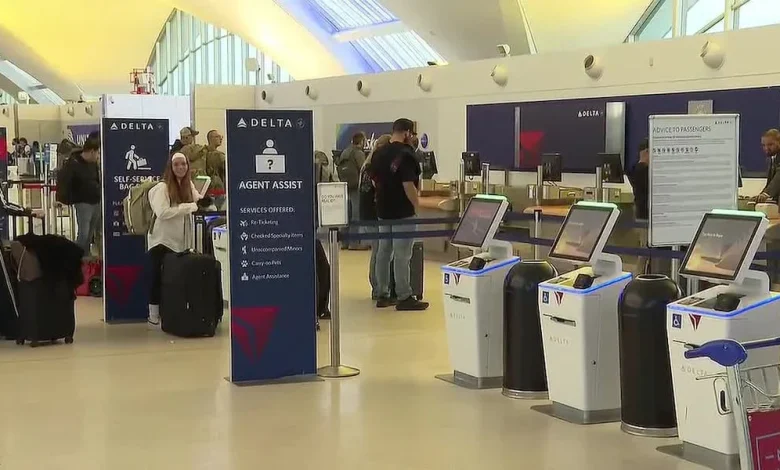
At the start of the festive air travel season, passengers are facing numerous delays and flight cancellations due to technical glitches and bad weather. Despite assurances from airlines and the US Federal Aviation Administration (FAA) that the issues have been resolved, the risk of further disruptions or storms remains.
Travel experts advise preparing in advance for possible changes to your schedule. First and foremost, they recommend constantly monitoring your flight via the airline’s app or services such as FlightAware or FlightRadar24, so you can find out about a delay or cancellation as early as possible. It is also useful to check alternative flights to your destination in advance, in case you need to rebook your ticket.
Travel specialist Christianne Klein from FoodFamilyTravel.com recommends keeping paper documents to hand: your boarding pass, hotel booking confirmation, as well as written records of reservation numbers and emergency contacts.
“Make sure you have a printed boarding pass. Make sure you have printed hotel confirmation, that all of those numbers are written down. Write down emergency phone numbers, emergency contacts” — Christianne Klein
Experts warn that when searching for airline contact details on Google, you may come across fake websites where fraudsters try to steal bank card data. They therefore advise using the airline’s official app or a previously saved link to the genuine website.
Another tip is, where possible, not to check in luggage, and to travel with hand baggage only. You should pack the essentials in it: medicines, chargers and other basic necessities, so you are not left without them if your luggage is delayed or lost.
If a flight is cancelled or subject to a significant delay, passengers are entitled to a refund if they decline the alternative flight offered. According to Christianne Klein, a delay of more than three hours for domestic flights and more than six hours for international flights is considered significant, provided the passenger does not accept another routing from the airline.
If the traveller agrees to fly on a different service, the conditions for providing meal or hotel vouchers depend on the individual airline’s policy. Such compensation is usually offered when the delay is the carrier’s fault, for example due to technical problems or staffing issues. By contrast, bad weather or restrictions imposed by air traffic control are not considered the airline’s responsibility, so vouchers are generally not provided in these cases.
According to Klein, the US Department of Transportation publishes a list of airlines and their compensation rules, and similar information is compiled on the FoodFamilyTravel.com website. In addition, some credit cards and travel insurance policies cover expenses related to delays and cancellations caused by technical failures or bad weather. Experts therefore recommend carefully checking the terms of your card or insurance before you travel.