

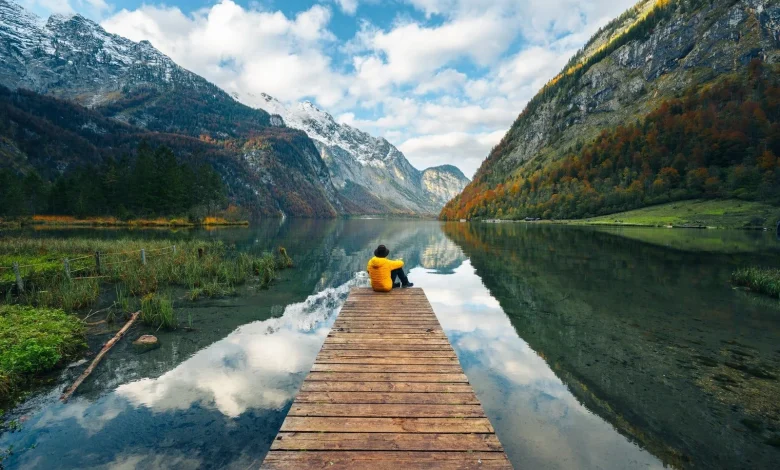
The writers and editors of The Points Guy have shared their own experience of safe solo travel. They explain how to choose a destination and accommodation, how to behave around other people, and what you should definitely take with you to feel more confident on the road.
One of the main themes is thorough planning. Travellers are advised to choose safe destinations in advance and stay somewhere they will feel comfortable. Some of the team prefer hotels to rented flats, as hotels have a reception desk and an extra layer of security between the street and your room. Some feel calmer in big cities where there are always lots of people around, while others, on the contrary, opt for small, quiet places to make it easier to ease themselves into travelling alone.
Planning applies not only to preparing for the trip, but also to each day of your journey. Some team members recommend sitting down every morning in a cosy café and writing out a detailed plan for the day on paper. This not only helps you keep your itinerary under control, but also comes in handy if your phone battery dies or you do not have access to the internet.
Another important set of tips concerns how to behave around other people. The writers stress that solo travellers should pay close attention to their surroundings and trust their instincts. They suggest not broadcasting the fact that you are travelling alone: in conversation, you can mention that you are planning to meet up with friends. If someone in a bar or restaurant asks for your room number, it is better to write it down on paper rather than say it out loud. If a situation feels suspicious, they advise not hesitating to say a firm no and cut off contact.
At the same time, travellers are encouraged to get to know local residents and other tourists. To do this, they suggest choosing hotels with a lobby where you can spend time around other people, as well as signing up for group activities such as walking tours, cookery classes or creative workshops. This can make your trip more varied and help you avoid feeling lonely, while still remaining relatively safe.
They also talk separately about preparing for unforeseen situations. The writers recommend sharing your itinerary and flight details with close friends or family so that, in the event of delays or cancellations, they can help you get in touch with the airline or hotel. Several staff members use apps such as Find My so that their loved ones can see where they are. They also recommend, where possible, registering trips with official services that send alerts about emergencies in the country you are visiting.
When it comes to packing, travellers are advised always to carry some cash in the local currency in case card terminals are down or the cash machine is out of order. For documents and money, they recommend using bags with anti-theft features or rucksacks with fastenings that are difficult to open without being noticed. Extra safety can be provided by small personal alarms, additional locks for your hotel room door or portable safes for the beach.
Some of the team suggest not relying solely on Wi-Fi: it is worth printing out booking confirmations, tickets and contact details for tour operators and hotels. It is also useful to carry a power bank so that your phone does not run out of charge at a critical moment.
The writers also share specific tips on taking photos when travelling alone. They use small flexible tripods with a Bluetooth remote, which allow them to take pictures without asking strangers for help. Some use additional screens or selfie monitors to get a better view of the frame when the phone is set up on a tripod at a distance. At the same time, they advise against leaving your equipment unattended in crowded places.
In conclusion, the writers emphasise that safety on solo trips should not get in the way of enjoying your holiday. If you plan your route in advance, make sure you can stay in touch with loved ones, stay alert to your surroundings and pack wisely, you can reduce risks and simply enjoy the new experiences.