

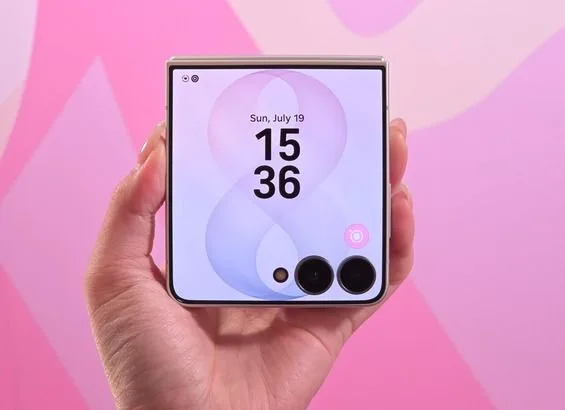
The Galaxy Z Flip8 smartphone is designed to be useful even when folded. Samsung UK smartphone expert Kadesh Beckford has shared tips on how to get the most out of this model – from working with FlexWindow to hands-free shooting and deep personalisation.
One of the device’s key features is the external FlexWindow display with a 4.1-inch diagonal. Through it, users can view and reply to messages, manage notifications and launch favourite apps without opening the smartphone. Beckford recommends setting up FlexWindow so that it features exactly those apps and functions you turn to most often during the day, as a significant part of everyday tasks can be handled without unfolding the phone.
For photography, the Galaxy Z Flip8 offers FlexCam mode, which allows you to position the smartphone at different angles and take shots without holding it in your hands. It uses 50-megapixel main cameras, so selfies are captured in high resolution. Thanks to the clamshell form factor, the device can be used as a mini tripod for group photos, while FlexWindow lets you preview the shot and check your framing.
Another feature is Mirror View, available via Camera Assistant. After installing this tool from the camera settings menu, users get a more accurate selfie preview on FlexWindow. Intelligent light adjustment helps you frame your shot comfortably both in daylight and in the dark, turning the external screen into a kind of mirror before you press the shutter.
The personalisation potential is highlighted separately. The Galaxy Z Flip8 weighs 180 g and is 6.1 mm thick when unfolded, while featuring a 6.9-inch main display. In addition to flexible FlexWindow customisation, users can tweak the interface with One UI 9, as well as edit photos using Galaxy AI Photo Assist – adding, removing or changing image elements and enhancing their appearance.
According to Kadesh Beckford, it is worth dedicating time to exploring the Galaxy Z Flip8’s settings and features in order to unlock everything the model can do, rather than stopping at just the basic use cases.