

At the start of the new academic year, the UC San Diego administration has urged students, academic staff and employees to focus on emergency preparedness. The university stresses that a few simple actions can improve safety for individuals as well as for the campus community as a whole.
The Director of Emergency Management and Preparedness, Julie Jeakle, notes that the campus can be affected both by natural events — wildfires, earthquakes, heavy rain and strong winds — and by infrastructure failures, such as power cuts or internet outages. Although serious incidents are rare, it is important to know how to respond and where to obtain verified information.
Among Jeakle’s main recommendations is to register for the Triton Alert notification system, which sends email and SMS alerts during emergencies. Academic staff, employees and students must separately enable receipt of text messages, while visitors and family members can subscribe by texting “TRITONALERT” to 888777.
The university also advises familiarising yourself with official response protocols for earthquakes, fires, tsunamis or incidents of violence on campus. A dedicated safety resources website provides detailed information, including fire safety requirements for on-campus housing and an interactive map showing assembly points in case buildings need to be evacuated.
In the event of an actual emergency, a separate emergency status website will be activated and serve as the main source of updates. Particular attention is paid to safe visits to the beach, as proximity to the Pacific Ocean is one of UC San Diego’s advantages but calls for responsible behaviour.
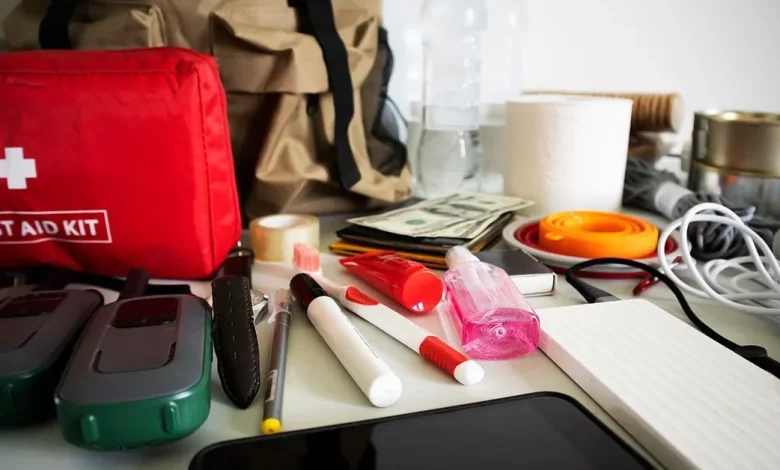
One of the tips is to prepare a so‑called “Go Bag” — an emergency kit with basic supplies and important documents that may be needed in a critical situation. University representatives emphasise that even such a simple step significantly increases your level of personal preparedness.
The university offers additional training programmes. The ASSERT course (Active Shooter Survival Education and Response Training), run by the UC San Diego Police Department, covers basic actions during critical incidents and includes video materials and reference sheets. Extended training is available via the UC Learning Center or by separate request.
In addition, the Emergency Management Department organises training in cardiopulmonary resuscitation (CPR) and the use of an automated external defibrillator (AED). These skills are intended to improve the chances of survival for people who suddenly experience medical emergencies.
Another area is the Campus Emergency Response Team (CERT), the campus emergency response team open to students, academic staff and employees. After completing the training, participants gain basic skills in assisting victims, coordinating volunteers at the scene of a disaster and supporting the work of emergency services.
The university reminds everyone that in any imminent threat you should call or send an SMS to 9-1-1. The administration underlines that every step — from learning the procedures to taking part in training — helps ensure UC San Diego remains as safe an environment as possible in unpredictable circumstances.