

Many manufacturers present new smartphone models every year with only minor updates, encouraging users to make yet another purchase. At the same time, with proper care a phone can last much longer than two or three years, which helps save money and reduce electronic waste.
One of the key factors in a device’s longevity is the condition of the battery. Manufacturers including Apple, Google and Samsung advise avoiding extreme temperatures: the optimal range is roughly 17 to 22 °C, while prolonged exposure to temperatures below 0 °C or above 35 °C can damage the battery. Overheating is particularly harmful, for example when a phone is left for a long time in direct sunlight.
Charging habits are important too. Experts recommend not keeping your smartphone constantly at 100% charge and not leaving it on charge overnight. Ideally, you should keep the charge level between 20% and 80%, which significantly extends the battery’s service life. Modern iPhone, Samsung Galaxy and Google Pixel models have optimised charging modes that allow you to limit the charge to around 80% or automatically adjust the process to your usage patterns.
To reduce energy consumption, it is worth using dark mode, enabling auto-brightness, shortening the auto-lock time to 60 seconds and, where possible, using power-hungry GPS apps less often. If necessary, you can buy an external battery so you do not have to worry about your phone running flat while you are out and about.
You can check the battery’s condition in the settings. On iPhone there is a Battery Health section with a maximum capacity indicator. On Android devices, including Samsung Galaxy and Google Pixel, built-in diagnostic tools are available, and for older models you can use dedicated apps from Google Play that analyse the battery’s charging and discharging.
It is just as important to protect the body and screen. Despite water resistance and more durable materials in newer models, drops can still cause cracks and dents. A screen protector and case greatly reduce the risk of damage, and a well-preserved phone is easier to sell on at a good price or trade in.
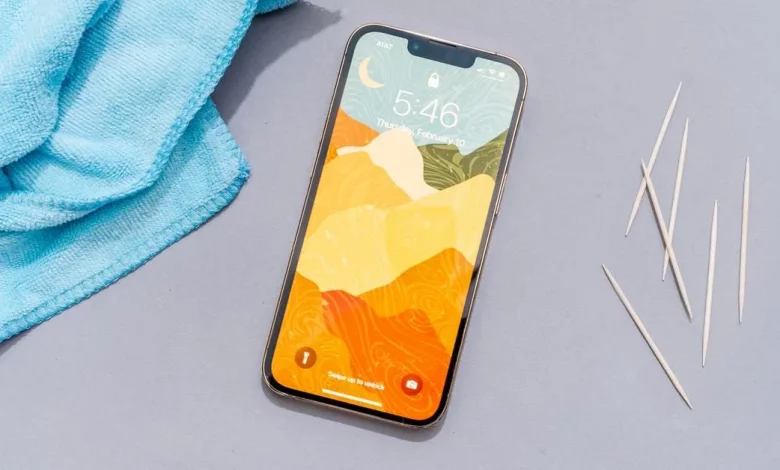
Your smartphone also needs regular cleaning. Besides wiping the screen, you should keep an eye on the cleanliness of the charging port and speaker grilles: dust and lint can eventually cause problems with connecting the charging cable or with sound. For care, a microfibre cloth, a small amount of cleaning solution, a wooden toothpick and wipes containing around 70% alcohol are sufficient.
Another important aspect is software updates. New versions of the operating system and security patches not only add new features but also protect against known vulnerabilities. Apple usually releases security updates for iPhone every few weeks, and Google does so monthly for Android devices. If your phone no longer receives updates, the risks to your data security increase.
For your smartphone to run smoothly, it is important to keep an eye on storage usage. A large number of games, photos, videos and music stored locally slows the system down and forces the processor and RAM to work under increased load. It is recommended to regularly delete unnecessary files, especially large games and media in messengers, and to use cloud services such as iCloud or Google Drive to store photos and videos. It is also useful to tidy up your gallery from time to time, deleting duplicates and unwanted shots.
If your phone has started to perform worse or has physical damage, it is worth considering repair instead of immediately buying a new device. Replacing the screen or battery is usually cheaper than purchasing a new smartphone, especially if you have an insurance plan or an extended manufacturer’s warranty. Before going to a service centre, it makes sense to check your power consumption settings and follow the basic recommendations for battery care.
Following these simple tips will help significantly extend your smartphone’s service life. If used correctly, there is no need to replace your phone every two years — it can remain convenient and safe to use for much longer.