

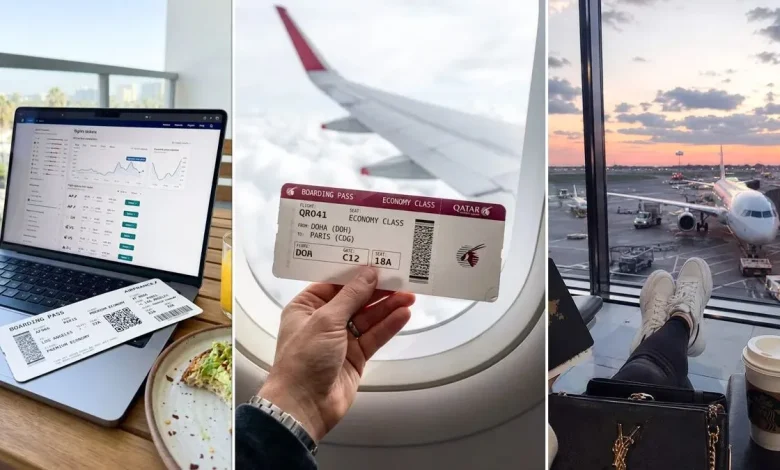
At the end of the year, when New Year holidays, weddings and winter breaks are approaching, the cost of air tickets rises sharply. This applies to most popular destinations, but even with high seasonal prices you can still plan a trip in a way that avoids overpaying.
Experts advise first of all not to put off buying tickets. The closer it is to Christmas and New Year, the higher the fares, especially in the last two weeks of December. If your holiday dates are already fixed, it is worth booking straight away and additionally setting up price alerts in services such as Skyscanner or Google Flights.
Another way to save is to choose less popular days and times of departure. Friday and Sunday are usually the most expensive, whereas Tuesday, Wednesday or Saturday often work out cheaper. Early morning flights around 6:00 or late ones after 22:00 can also be better value. A handy tool is the price calendar in booking apps, where you can immediately see the cheapest dates.
Before paying for a ticket, it is worth comparing offers on several platforms and on the airline’s own website. Sometimes carriers offer slightly lower fares or extra services on their own resources, such as free seat selection or meals. If the price keeps going up every time you search again, some travellers recommend trying your browser’s ‘incognito’ mode.
You can also save by choosing connecting flights and alternative airports. Direct flights in peak season are usually the most expensive, whereas a flight with a 1–2 hour stopover may cost less. Likewise, it can sometimes be cheaper to depart from or arrive at a nearby airport, but you should add the cost of getting there to the ticket price.
During the holiday period, bank promotions, discounts for paying with certain cards and cashback via payment services are in full swing. Before confirming a booking, it is useful to check for promo codes in your travel app, and also to remember any accumulated bonus points or miles. Combining a discount from the service with a bank offer often significantly reduces the final amount.
Another separate expense item is baggage and additional services. Many low-cost airlines charge for checked baggage, so for a short trip it is worth trying to fit everything into hand luggage. If you cannot manage without a suitcase, it is cheaper to add baggage during online booking rather than at the airport. Paid seat selection, onboard meals and other options are best added only if you genuinely need them.
Another way to cut costs is to choose a less popular destination. Resorts and well-known tourist cities attract the largest number of holidaymakers in December, which pushes up prices for flights and accommodation. Less hyped locations with a similar climate or nature, on the other hand, may offer more affordable hotels and smaller crowds of tourists.
Additionally, specialists recommend keeping an eye on airline sales on social media, using carriers’ mobile apps with promo codes, and paying attention to fares that include free date changes or cancellation. For groups of three or more people, special group fares sometimes apply, and students, pensioners or military personnel may be entitled to discounts that are not always widely advertised.
Before making a final booking, it is worth drawing up a full travel budget: costs for flights, accommodation, food, local transport and entertainment, as well as setting aside a small reserve for unforeseen situations. A cheap ticket will not be a bargain if you are left with no money to enjoy your trip once you arrive.
The authors of the piece stress that baggage rules, bank and airline promotions, as well as fares, are constantly changing depending on the date, destination and booking platform. Therefore, before buying a ticket, you should carefully check the final price and conditions on the website or in the app of the specific carrier.