

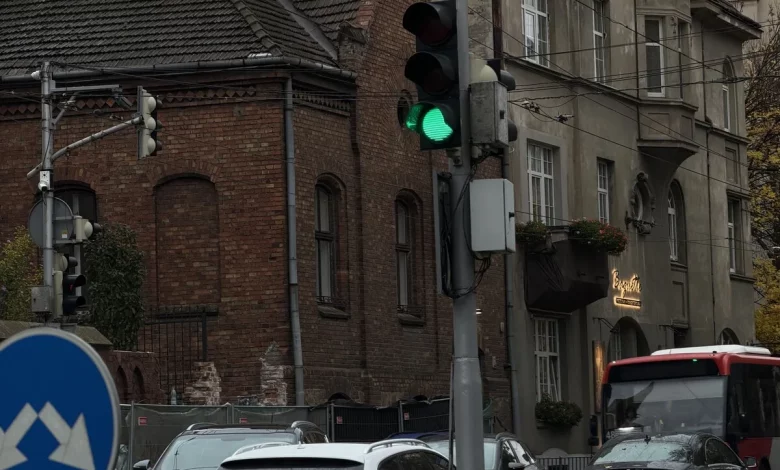
A large-scale test of the traffic light network has been carried out in Lviv: all 178 traffic light installations were simultaneously disconnected from the centralised power supply and switched to operation from uninterruptible power supply units. The testing lasted for about a day, LKP “Lvivavtodor” reported.
According to the results of the inspection, 105 traffic light installations are able to operate autonomously for approximately 38–40 hours without battery replacement. Another 57 installations can keep operating for up to 24 hours, and 16 installations have an autonomous reserve of up to 12 hours.
During the experiment, the company's specialists continuously monitored the condition of the equipment. After the test was completed, all traffic lights were gradually returned to normal mains power. Lvivavtodor explained that at the moments of switching, some installations may have temporarily stopped operating.
“Some installations successfully operated autonomously for 24 hours, after which the battery charge was depleted. Specialists then returned them to centralised power one by one, so the traffic lights may have been out of operation for short periods. Such situations, in particular, were recorded on Tvorcha Street, B. Khmelnytskoho Street and B. Hrinchenka Street,” LKP “Lvivavtodor” stated.
Specialists are now analysing the collected data to improve the resilience of the traffic light network to possible prolonged power outages. According to the company, the results will help to better plan the number of repair crews and vehicles, the organisation of battery replacement and delivery, as well as determine the required number and locations of charging points.
In total, 178 traffic light installations are in operation in Lviv — this is roughly 2,500 individual traffic lights. All of them are connected to backup power from 166 uninterruptible power supply units, with some units powering two installations at once.
A similar comprehensive test was first carried out in Lviv a year earlier: at that time 150 installations were checked, most of which operated autonomously for around 24 hours.