

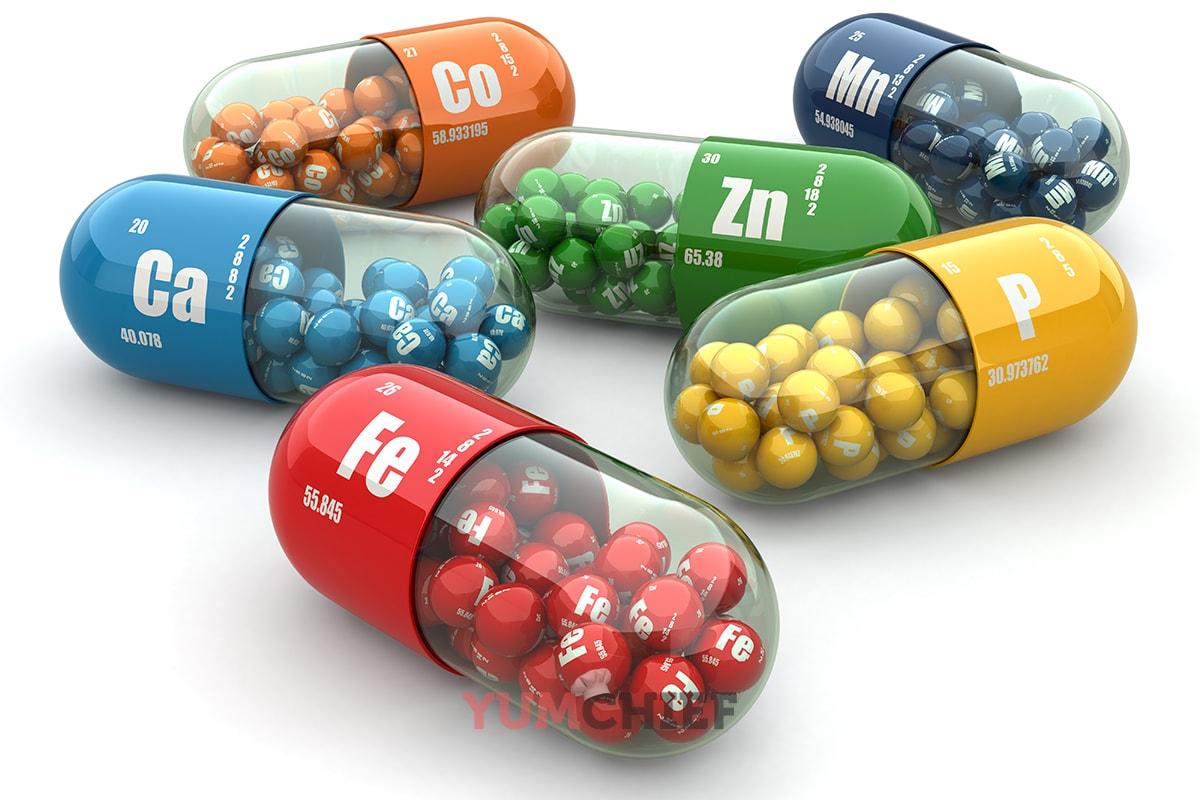
Fatigue, irritability, pale skin, and insomnia after winter are not a whim, but signs of a real micronutrient deficiency. We explain which vitamins and minerals are most often lacking and how to restore their levels systematically.
At the end of winter and the beginning of spring, many people experience a familiar set of symptoms: unexplained fatigue that does not go away after sleep, reduced concentration, low mood, dull skin, and frequent colds. All of these are manifestations of a micronutrient deficiency accumulated over the winter. Although severe vitamin deficiency is less common today than it was in the last century, a hidden lack of certain vitamins and minerals remains widespread, especially under conditions of chronic stress, intense exertion, or an unbalanced diet.
Briefly about the main points
- The most common deficiencies in spring in Ukraine are vitamins D, C, and the B group vitamins.
- Vitamin D deficiency builds up due to the shorter daylight hours in winter.
- The optimal blood level of 25(OH)D for an adult is 30–50 ng/ml, and for athletes 50–100 ng/ml.
- Magnesium is not fully covered even by a balanced diet, so supplements are needed.
- The symptoms of deficiencies in different vitamins are similar; only laboratory tests provide an exact answer.
Why vitamin and mineral deficiencies occur specifically in spring
In winter, the body receives less ultraviolet light needed for the synthesis of vitamin D in the skin, consumes fewer fresh fruits and vegetables, and is more often exposed to stress, which accelerates the depletion of water-soluble vitamins. A systematic review published in the journal Current Nutrition Reports confirms a clear link between seasonality, geographic latitude, and blood vitamin D levels — residents of mid- and northern latitudes consistently show the lowest values at the end of winter and the beginning of spring. In Ukraine, the situation is further complicated by chronic stress and increased emotional strain, which accelerate the consumption of B-group vitamins and vitamin C.
Practicing specialists also write that multivitamins are most appropriate to take during this particular period. However, knowing which specific micronutrients need to be replenished and in what doses is more important than simply buying the first complex available at the pharmacy.
Vitamin D: the most common and most dangerous deficiency
Vitamin D exists in two forms significant for humans: D2 (ergocalciferol), which comes from food, and D3 (cholecalciferol), which is synthesized in the skin under the influence of UVB radiation. Lack of sunlight in winter is the main cause of its deficiency in our climate zone. A study published in the journal Photochemistry and Photobiology (2024) found that in summer, 5–10 minutes in the sun with 35% of the body surface exposed is enough to maintain the existing 25(OH)D level; in winter at mid-latitudes, even a 45-minute walk at noon may not meet the daily requirement.
Vitamin D is responsible not only for calcium absorption and bone strength: it regulates cytokine synthesis, accelerates the maturation of lymphocytes and monocytes, supports thyroid function, affects insulin synthesis, protects the intestinal wall from inflammation, and increases the sensitivity of hemoglobin receptors to oxygen. A review in the journal Cureus (2023) confirms that a 25(OH)D level below 16 nmol/L significantly increases morbidity due to non-cutaneous pathologies, while an adequate level of vitamin D reduces the risk of oncological and chronic diseases. The first symptoms of deficiency are rapid fatigue, aches in the muscles and joints, poor sleep, and loss of appetite.
Daily vitamin D intake in IU (international units):
- Children 1–8 years: 600 IU; maximum — 2500–3000 IU.
- Men and women 9–50 years: 600 IU; maximum up to 10,000 IU.
- Men and women over 50 years: 800 IU.
- Pregnancy and lactation: 800 IU.
- Athletes: 1000–2000 IU daily; during peak training periods — up to 5000 IU.
The richest dietary sources of vitamin D (content per 100 g): wild salmon — 600–1000 IU; herring — 300–1700 IU; canned sardines — 300–600 IU; UVB-irradiated mushrooms — about 450 IU; farmed salmon — 100–250 IU; egg yolk — 25 IU; butter and sour cream — about 35 IU; milk — 2 IU. 200 IU of vitamin D corresponds to 5 mcg of cholecalciferol. On sunny spring and summer days, it is recommended to spend 5 to 30 minutes outdoors between 10:00 and 16:00, exposing as much of the body surface as possible and without applying SPF cosmetics to the face.
Athletes with a 25(OH)D level below 75 nmol/L are prescribed 5000 IU per day; below 30 nmol/L — 10,000 IU. For everyone else: taking up to 4000 IU per day is safe without test monitoring; doses above 4000 IU require laboratory monitoring.
Vitamin C: indispensable and not stored by the body
Ascorbic acid is the only water-soluble vitamin that is not synthesized in the human body and is virtually not stored for future use; it must be supplied daily. A fundamental study by Carr and Maggini published in the journal Nutrients found that vitamin C supports the barrier function of the epithelium, enhances neutrophil activity, and is a cofactor in the synthesis of collagen, carnitine, and catecholamine hormones. A lack of ascorbic acid immediately affects skin condition, wound healing speed, vascular tone, and the quality of immune system function.
Vitamin C deficiency can be recognized by specific signs: corkscrew twisting of body hair and redness of the follicles, red dots or streaks on the nails, slow healing even of minor scratches, muscle aches, slight swelling of large joints, and dry skin. Causes of deficiency include strict diets, anorexia, chronic stress, heavy physical exertion, old age, and the use of certain medications.
Daily vitamin C intake in mg:
- Children 1–3 years: 15 mg; 4–8 years: 25 mg.
- Boys 9–13 years: 45 mg; 14–18 years: 75 mg; men 19–70+ years: 90 mg.
- Girls 9–13 years: 45 mg; 14–18 years: 65 mg; women 19–70+ years: 75 mg.
- Pregnancy: 85 mg; lactation: 120 mg. Maximum dose for adults: 1000–5000 mg.
- Athletes: 150–200 mg per day; during rehabilitation or recovery periods — up to 5000 mg.
The best dietary sources of vitamin C (mg per 100 g / % of daily requirement): rose hips — 650 mg / 929%; bell pepper — 200 mg / 286%; black currant — 200 mg / 286%; kiwi — 180 mg / 257%; parsley greens — 150 mg / 214%; dill — 100 mg / 143%; cauliflower — 70 mg / 100%; oranges — 60 mg / 86%; spinach — 55 mg / 79%; fresh orange juice — 50 mg / 71%.
B-group vitamins: eight components, each of them indispensable
Without B-group vitamins, tissue respiration, the breakdown of carbohydrates and fats, and the synthesis of hormones, enzymes, and the body’s own proteins are impossible. The deficiency of each of them has a specific “signature” in symptoms: B1 — unexplained anxiety and drowsiness; B2 — weakness and insomnia; B3 — skin peeling and depression; B5 — bouts of nausea and muscle pain; B6 — sluggishness, angular cheilitis, and glossitis (a smooth red tongue); B7 — hypotension and dry skin; B9 — digestive problems; B12 — decreased endurance, nervousness, and inflammation of the oral mucosa. A lack of B12 leads to anemia and impaired sensitivity in the limbs; a lack of B2 increases the risk of cataracts and iron deficiency.
Daily intake of B-group vitamins (in mg or mcg) by age and sex:
- Children 1–3 years: B1 — 0.5; B2 — 0.5; B3 — 6; B5 — 5; B6 — 0.5; B7 — 10 mcg; B9 — 150 mcg; B12 — 0.9 mcg.
- Children 4–8 years: B1 — 0.6; B2 — 0.6; B3 — 8; B5 — 6; B6 — 0.6; B7 — 15 mcg; B9 — 200 mcg; B12 — 1.2 mcg.
- Men 14–70+ years: B1 — 1.2; B2 — 1.3; B3 — 16; B5 — 8–9; B6 — 1.3–1.7; B7 — 50–70 mcg; B9 — 400 mcg; B12 — 2.4 mcg.
- Women 14–70+ years: B1 — 1.0–1.1; B2 — 1.0–1.1; B3 — 14; B5 — 8–9; B6 — 1.2–1.5; B7 — 80 mcg; B9 — 400 mcg; B12 — 2.4 mcg.
- Pregnancy: B1 — 1.4; B9 — 600 mcg; B12 — 2.6 mcg. Lactation: B2 — 1.6; B9 — 500 mcg; B12 — 2.8 mcg.
- Maximum safe daily doses for adults: B1 and B2 — 50 mg each; B3 — 35 mg; B5 — 800 mg; B6 — 80 mg; B7 — 300 mcg; B9 — 1000 mcg; B12 — 300 mcg.
TOP dietary sources of B-group vitamins (% of daily requirement in 100 g of product):
- B1: sunflower seeds — 123%, peas — 60%, pistachios — 58%, halva — 53%, peanuts — 49%.
- B2: liver — 122%, Feta cheese — 47%, almonds — 36%, hard cheeses — 28%, mushrooms — 25%.
- B3: peanuts — 95%, seeds — 79%, tuna — 78%, liver — 65%, chicken — 63%.
- B12: beef liver — 2940%, black caviar — 480%, sardine — 372%, egg — 225%, herring — 177%.
Key minerals: calcium, phosphorus, iron, magnesium, and zinc
Calcium is necessary for the formation of bone tissue, the transmission of nerve impulses, muscle contraction, blood clotting, and the normal functioning of the immune system. Early symptoms of deficiency are dry skin, brittle nails and hair, constant drowsiness, and bleeding gums. Daily intake: children 9–18 years — 1300 mg; adults 19–70 years — 1000 mg; women after 50 and men after 70 — 1200 mg; pregnant women — 1400 mg; breastfeeding women — 2000 mg; maximum for adults — 2500 mg. The richest sources (mg per 100 g): hard cheeses — 800–1000; soft cheeses — 450–700; sardines in oil — 383; sunflower seeds — 367. On days of intense training, the intake is increased by 200 mg for each hour of exertion with sweating.
Phosphorus is closely linked to calcium metabolism — a vitamin D deficiency automatically leads to its deficiency as well. It is needed for the production of hydroxyapatite in bone tissue, the synthesis of RNA and DNA, the production and breakdown of ATP, and the maintenance of acid-base balance. Daily intake: adults 19–70 years — 700–800 mg; athletes — 2000 mg; pregnant women — 1500 mg; maximum — 4000 mg. The best sources: egg yolk — 542 mg / 100 g; sunflower seeds — 530; processed cheeses — 525; beans — 504.
Iron is the basis of hemoglobin and is necessary for oxygen transport, antibody formation, and the normal functioning of the muscle protein myoglobin. Deficiencies in vitamins C and D aggravate iron deficiency. Early symptoms: increased fatigue and slow recovery; pronounced deficiency — shortness of breath during usual exertion and dizziness. Daily intake: men 12–50 years — 10 mcg; women 12–50 years — 18 mcg; pregnancy — 20 mcg; lactation — 25 mcg; athletes — +20–30% of the age norm. Heme iron Fe²⁺ (meat, fish) is absorbed much better than plant-based non-heme Fe³⁺. The best sources: seaweed — 16.0 mcg / 100 g; cocoa — 14.0; buckwheat — 7.8; pork liver — 12.6; beef liver — 9.0.
Magnesium is the only mineral whose deficiency is difficult to fully cover even with a balanced diet. It activates about 300 enzymes, is necessary for ATP formation, protein and endorphin synthesis, muscle relaxation, and maintenance of cellular potassium levels. Early symptoms of deficiency are cravings for sweets, frequent headaches and heartburn, anxiety, sweating during sleep, and muscle tremors. Daily intake: men 19–29 years — 400 mg; 30+ — 420 mg; women 19–29 years — 310 mg; 30+ — 320 mg; athletes — +20–30%. The best sources (mg per 100 g): sunflower seeds — 317; almonds — 234; buckwheat groats — 200; peanuts — 182; seaweed — 170; oatmeal — 135.
Zinc is necessary for the synthesis of hormones, RNA, and proteins, the activation of cells of natural and acquired immunity, antioxidant protection, testosterone production, and egg cell maturation. Early symptoms of deficiency are dry skin, poor healing of minor wounds, thinning and hair loss, memory impairment, and insomnia. Daily intake: men 14+ years — 11 mg; women 19+ — 8 mg; pregnancy — 11 mg; lactation — 12 mg; athletes — +20–30%. The best sources (mg per 100 g): sunflower seeds — 5.0; hard cheeses — 4.0–5.0; peanuts — 3.3; beef — 3.2; egg yolk and oatmeal — 3.1.
How to check vitamin and mineral levels
The symptoms of deficiencies in different micronutrients are very similar and can easily be mistaken for other conditions. The only way to get an exact answer is a laboratory blood test. In spring, it is recommended to take tests for vitamins C, D (total 25(OH)D), and the B group vitamins, as well as determine serum levels of iron, calcium, zinc, magnesium, and phosphorus.
Normal blood values for adults: vitamin C — 4.0–15.0 mg/ml; B1 — 2.1–4.3 ng/ml; B2 — 137–370 ng/ml; B12 — 250–1100 pg/ml; vitamin D (25(OH)D) — 30–50 ng/ml, optimal for athletes — 50–100 ng/ml. Minerals: serum iron in men — 11–28 μmol/ml, in women — 6.6–26 μmol/ml; zinc in men — 730–1300 μg/l, in women — 700–1140 μg/l; total calcium at 12–60 years — 2.10–2.55 mmol/l; magnesium in adults — 0.66–1.07 mmol/l. For early detection of iron deficiency, a serum ferritin test is performed: the norm for men is 25–350 μg/l, and for women 13–232 μg/l.
Practical supplement intake regimen
The timing of intake affects absorption: during or immediately after the first breakfast — B-group vitamins and vitamin C; at 11:00 during the second breakfast (without dairy products) — iron; during dinner around 18:00 — vitamin D; after 21:00, during a light snack with plenty of water — calcium-magnesium-zinc. Magnesium and zinc are recommended to be taken continuously with 2–3-week breaks between courses. Women of reproductive age, especially athletes, are advised to take an iron supplement regularly. Pregnant and breastfeeding women should choose specialized prenatal complexes with increased levels of B9 (600 mcg), B12, calcium, and iron.
Weekly diet for deficiency prevention
To cover vitamin and mineral needs, the weekly diet should include: beef, beef tongue, pork and beef liver; chicken meat; rabbit; salmon, herring, sardines in oil, red caviar, seaweed; soft-boiled eggs; peanuts, sunflower seeds, various nuts; milk, fermented dairy products, hard and soft cheeses; beans, buckwheat, oatmeal; champignons; raw vegetables, citrus fruits, fresh fruits and berries, spicy greens; milk and dark chocolate. Most vitamins are needed daily — only A, E, and B12 are stored for future use. For athletes, the norms are increased by 20–35%, and during peak competition and training periods by 40–60%.
Step-by-step recovery program
- Step 1. Take blood tests for vitamins C, D, the B group vitamins, and key minerals — iron (ferritin), calcium, magnesium, zinc, and phosphorus.
- Step 2. Based on the results, create a dietary correction plan and select mono- or multivitamin complexes according to the identified deficiency.
- Step 3. After 30 days, take interim tests and adjust the dosage.
- Step 4. After 60 days, take follow-up tests. If the level of any micronutrient has not been restored, consult a dietitian or nutritionist.