

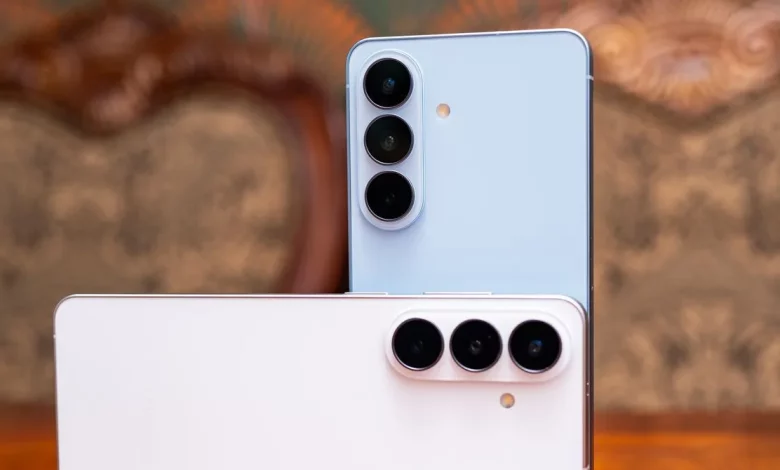
US outlet WIRED has put together an extensive guide to Samsung Galaxy smartphones that remain relevant in 2025–2026. It compares the flagship S and Z lines, the more affordable Galaxy A models, and also explains Samsung’s update policy, support for the Qi2 standard, and the specifics of Snapdragon and Exynos chips.
The authors emphasise that Samsung offers a wide range of Android devices — from relatively inexpensive phones to premium foldables. The company promises long-term software support: up to seven years of updates for the latest S‑series flagships and foldable Galaxy Z models, and up to six years for Galaxy A devices from the A16 upwards.
The article explains when it makes sense to buy a new Samsung smartphone. The Galaxy S range traditionally launches at the beginning of the year, the Galaxy A series arrives in spring, the foldable Galaxy Z models in summer, while the “fan edition” S‑FE receives a separate release. This helps buyers decide whether to pick up the current model, wait for a refresh, or look for discounts on the previous generation.
A dedicated section focuses on updates: the Galaxy S24, S25, S26, as well as Galaxy Z Fold6–8 and Z Flip6–8, will receive seven years of Android OS updates and monthly security patches. According to WIRED, most older Samsung devices follow a scheme of four years of OS updates and five years of security patches.
The journalists advise, where possible, buying unlocked smartphones directly from the manufacturer or retailers rather than from mobile operators. This makes it easier to switch networks, get updates more quickly and avoid unnecessary operator bloatware.
The piece highlights several key models. The best choice for most users is said to be the Galaxy S26 and Galaxy S26+ with 120 Hz AMOLED displays, a triple camera with 3x optical zoom, a Snapdragon 8 Elite Gen 5 processor and batteries that will typically last a full day. The S26 is more compact, while the S26+ offers a larger screen and battery.
The Galaxy S26 Ultra is singled out as the “top‑tier upgrade”. In addition to more powerful specs and storage options up to 1 TB, it comes with a built‑in S Pen stylus, a 200 MP main camera and a separate 5x telephoto lens. A standout feature of the model is the Privacy Display mode, which narrows the viewing angles of the screen to shield it from prying eyes.
WIRED names the Galaxy Z Fold8 as the best foldable smartphone. The device has new proportions — a shorter and wider body with a 5.5‑inch outer screen and a 7.6‑inch inner display. This form factor is more convenient for multitasking and split‑screen use. The phone features flagship‑grade hardware, supports wireless charging and is promised seven years of updates.
In the budget segment, the authors give special mention to the Galaxy A37. The model offers a large 6.7‑inch AMOLED screen, a 5,000 mAh battery, IP68‑rated protection and a 50 MP main camera. At the same time, performance is modest due to the Exynos 1480 processor and 6–8 GB of RAM, and it does not support fast wireless charging. WIRED believes there are interesting alternatives from other brands in this class, but the A37 looks like a well‑balanced option among Samsung phones.
Among mid‑range devices, the article mentions the Galaxy S25 FE, which inherits many flagship features, including a 3x optical zoom and Qi2 Ready support (via a magnetic case), yet costs significantly less than the top‑end line‑up. For fans of the flip form factor, WIRED recommends the Galaxy Z Flip8 with its improved hinge, 4.1‑inch outer display and the same flagship processor, although the authors criticise its battery life.
The guide goes into detail on what Qi2 is and why Samsung’s 2025–2026 flagships are labelled “Qi2 Ready”. Galaxy S25, S26 and selected Galaxy Z models technically support the Qi2 standard only when used with a magnetic case, as there are no built‑in magnets in the chassis.
A separate part of the review focuses on the differences between Qualcomm Snapdragon and Samsung Exynos chips used in flagships for different markets. The authors note that the performance gap is now smaller than it was a few years ago, but historically Exynos has struggled with overheating and could affect photo quality due to different image processing.
WIRED also describes Samsung’s own solutions: the Galaxy AI platform with real‑time translation, transcription, text summarisation and new document and audio editing features, as well as the Samsung DeX mode, which allows you to connect your smartphone to a monitor and use Android in a “desktop” interface.
The journalists remind readers that Samsung is developing its own device ecosystem: Galaxy Watch smartwatches, Galaxy Buds earphones, the Galaxy Ring, Galaxy Tab tablets and Galaxy laptops. When paired with smartphones, they unlock additional capabilities such as faster file sharing and more advanced health and fitness features.