

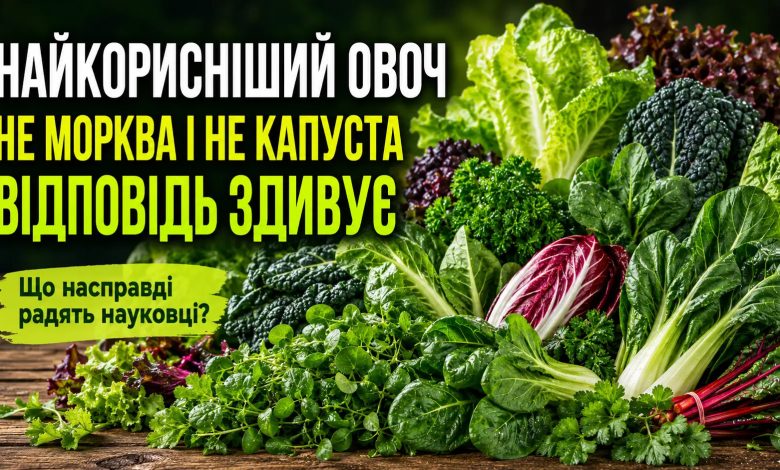
You have definitely eaten most of these vegetables. But you almost certainly underestimated them or cooked them incorrectly and lost half of their benefits. American scientists commissioned by the Centers for Disease Control and Prevention (CDC) measured how many vital nutrients are hidden in each vegetable per calorie and compiled an exact ranking. The results break stereotypes. The winner was not cabbage, not carrots, and not even trendy avocado, but a modest plant that most Ukrainians have never tasted. Below is the top ten from 10th place to a stunning first, and each vegetable comes with a scientific instruction on how to eat it. Read to the end: the leader received a perfect score that no other food product in the world could match.
Who and How Measured “Healthiness”
Most “superfood” rankings are pure marketing without any scientific basis. But this case is different. It is based on Professor Jennifer Di Noia’s study “Defining Powerhouse Fruits and Vegetables,” which underwent peer review and was published in the Centers for Disease Control and Prevention journal “Preventing Chronic Disease” in 2014.
The logic is simple and fair. Each vegetable was assigned a score from 1 to 100 based on nutrient density. Scientists calculated 17 nutrients critical for health: potassium, fiber, protein, calcium, iron, thiamine, riboflavin, niacin, folate, zinc, and vitamins A, B6, B12, C, D, E, and K. The score shows what percentage of the daily requirement of these substances a vegetable provides per 100 calories. The higher the score, the more benefits per calorie.
And here comes the first surprise. Neither berries nor almost any fruits made it into the elite list. Moreover, even garlic and onions were excluded because they provide too few of those same 17 nutrients per calorie. Instead, the entire top was dominated by leafy greens and cruciferous vegetables. Why exactly them will become clear in just a moment. Let’s start from the bottom.
🔟 Place 10. Collard Greens, 62.49 Points
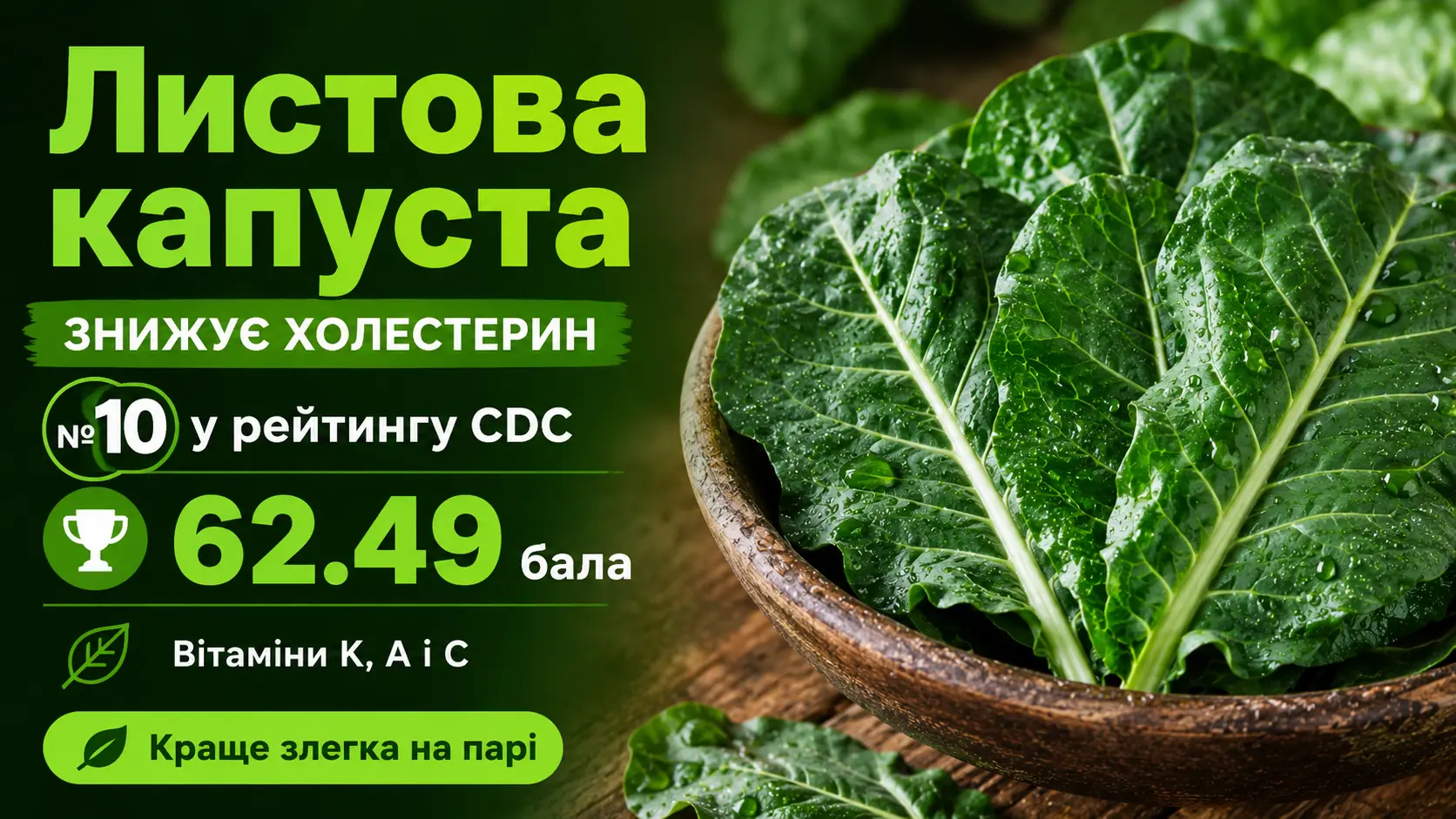
The top ten opens with collard greens. These are dense dark-green leaves extremely rich in vitamins K, A, and C. One interesting feature: they bind bile acids and therefore naturally help lower cholesterol.
How to eat them properly. Thicker leaves are best lightly steamed or blanched. This makes them softer while reducing oxalate content. Add a little oil to absorb fat-soluble vitamins and do not overcook them until gray.
9️⃣ Place 9. Romaine Lettuce, 63.48 Points
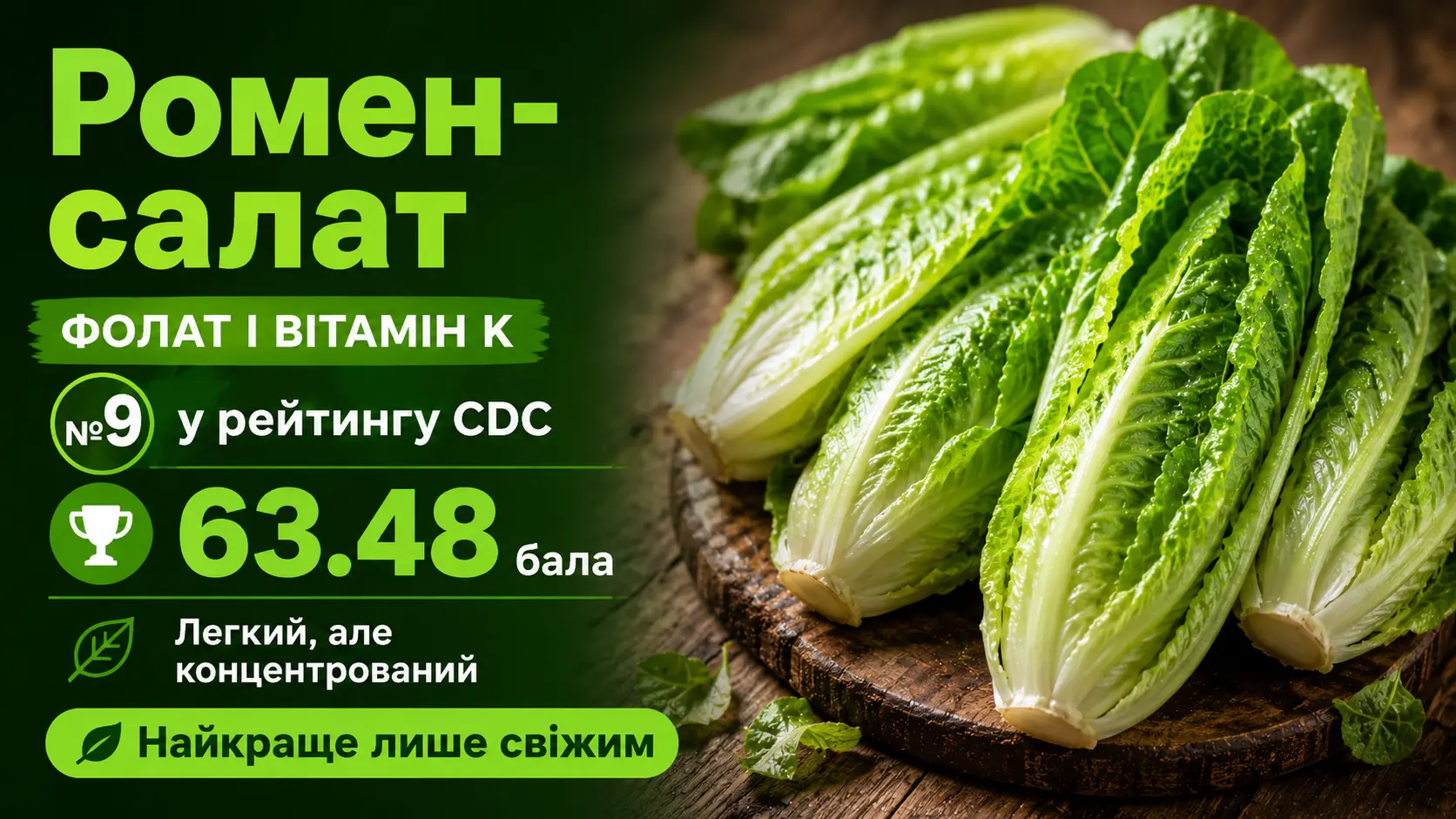
Yes, ordinary romaine lettuce is also in the CDC top ranking. Although it consists of almost 90% water, it provides plenty of folate, vitamin K, and beta-carotene with almost zero calories. A case where “light” actually means “concentrated.”
How to eat it properly. Only fresh. It is the base of any salad, and a dressing with a drop of oil helps absorb fat-soluble vitamins and carotenoids.
8️⃣ Place 8. Parsley, 65.59 Points
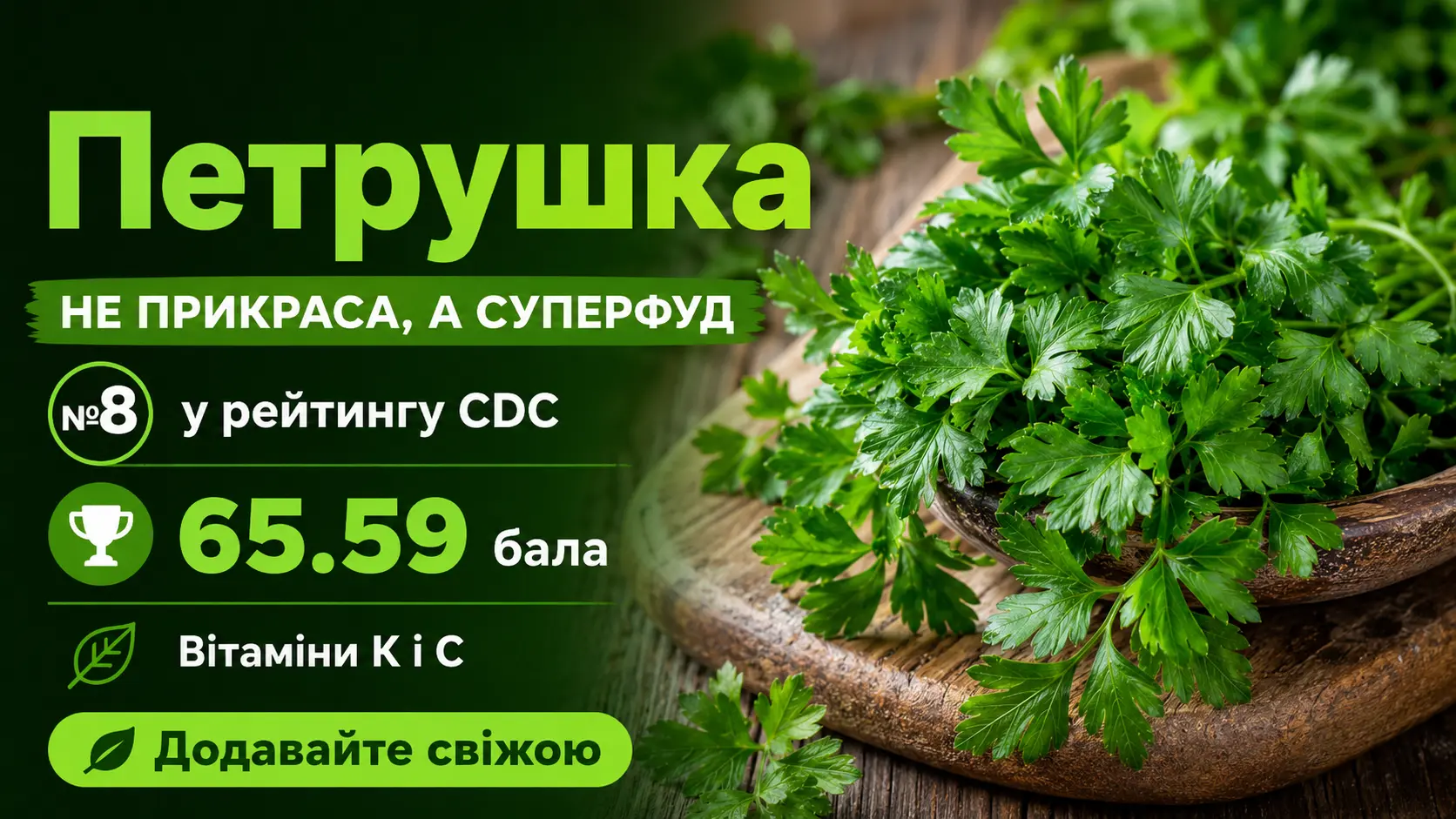
Here comes the first real surprise. The herb we are used to pushing to the edge of the plate as decoration turned out to be a concentrate of vitamins K and C and antioxidants. The CDC ranked humble parsley above dozens of heavily advertised superfoods.
How to eat it properly. Add it fresh at the end of cooking or simply into the finished dish. Long heating destroys vitamin C, so parsley added to soup a minute before turning off the heat is healthier than boiled parsley.
7️⃣ Place 7. Leaf Lettuce, 70.73 Points
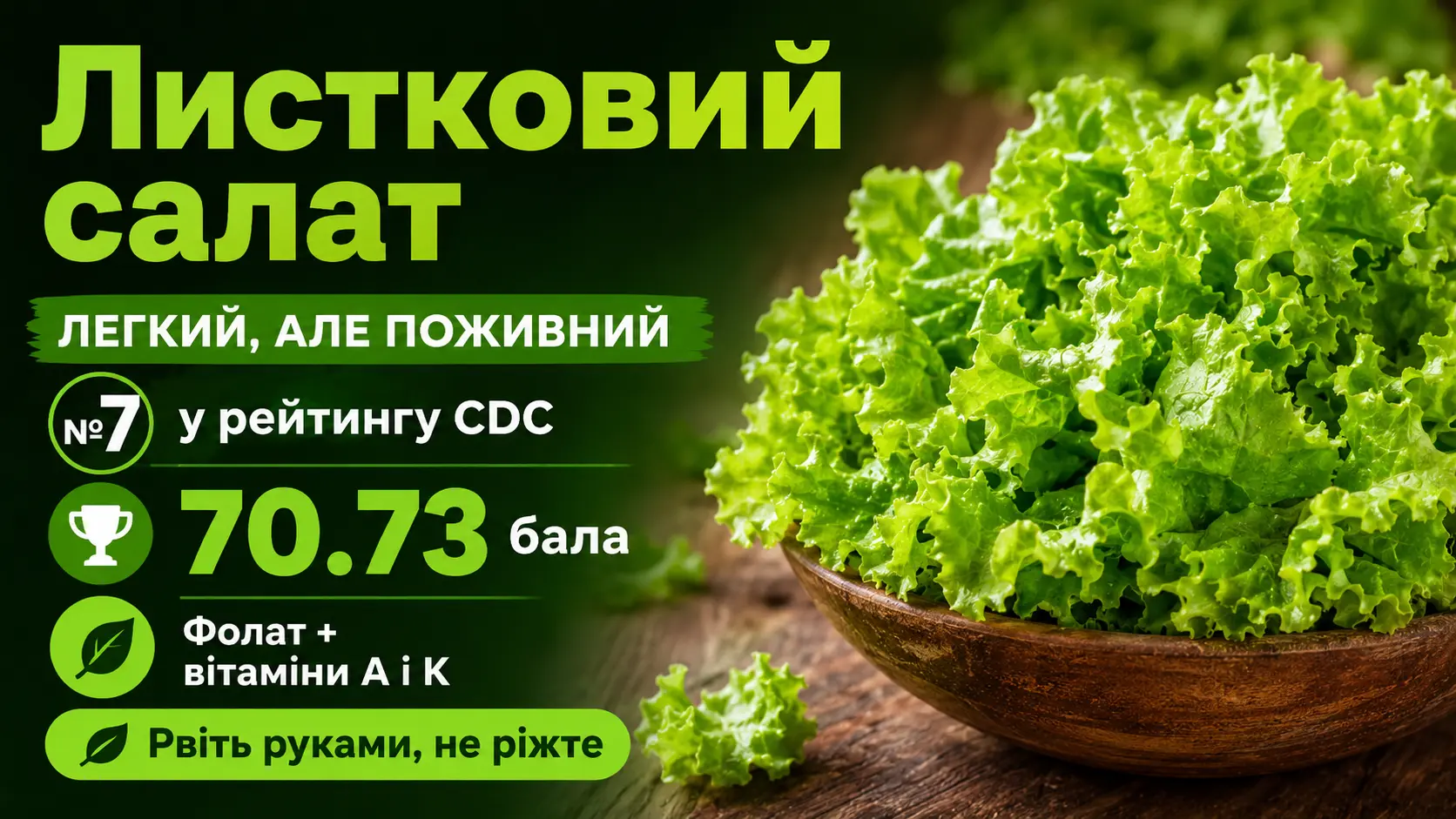
Green leaf lettuce surpasses even some cruciferous vegetables in nutrient density. It is rich in folate and vitamins A and K, yet costs almost nothing.
How to eat it properly. Tear the leaves by hand instead of cutting them with a knife, because this reduces oxidation and vitamin loss. Dress with oil and eat only raw. Any heating destroys its delicate benefits.
6️⃣ Place 6. Chicory, 73.36 Points
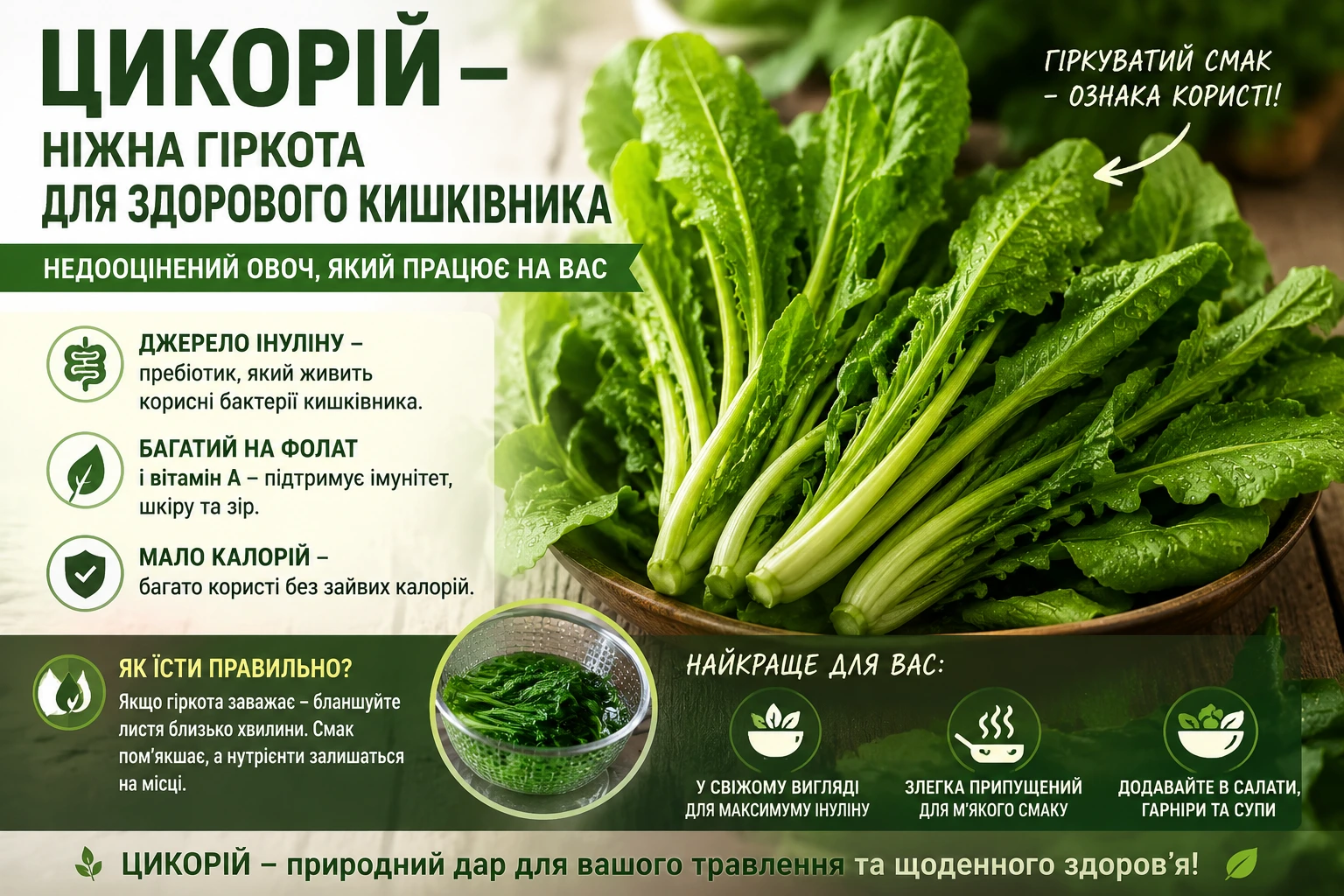
Bitter green chicory is probably the most underrated vegetable on this list. It provides inulin fiber that feeds beneficial gut bacteria, as well as folate and vitamin A.
How to eat it properly. If the bitterness bothers you, blanch the leaves for about a minute. The taste will soften while the nutrients remain. As a prebiotic, inulin works best in fresh or lightly sautéed chicory.
5️⃣ Place 5. Spinach, 86.43 Points
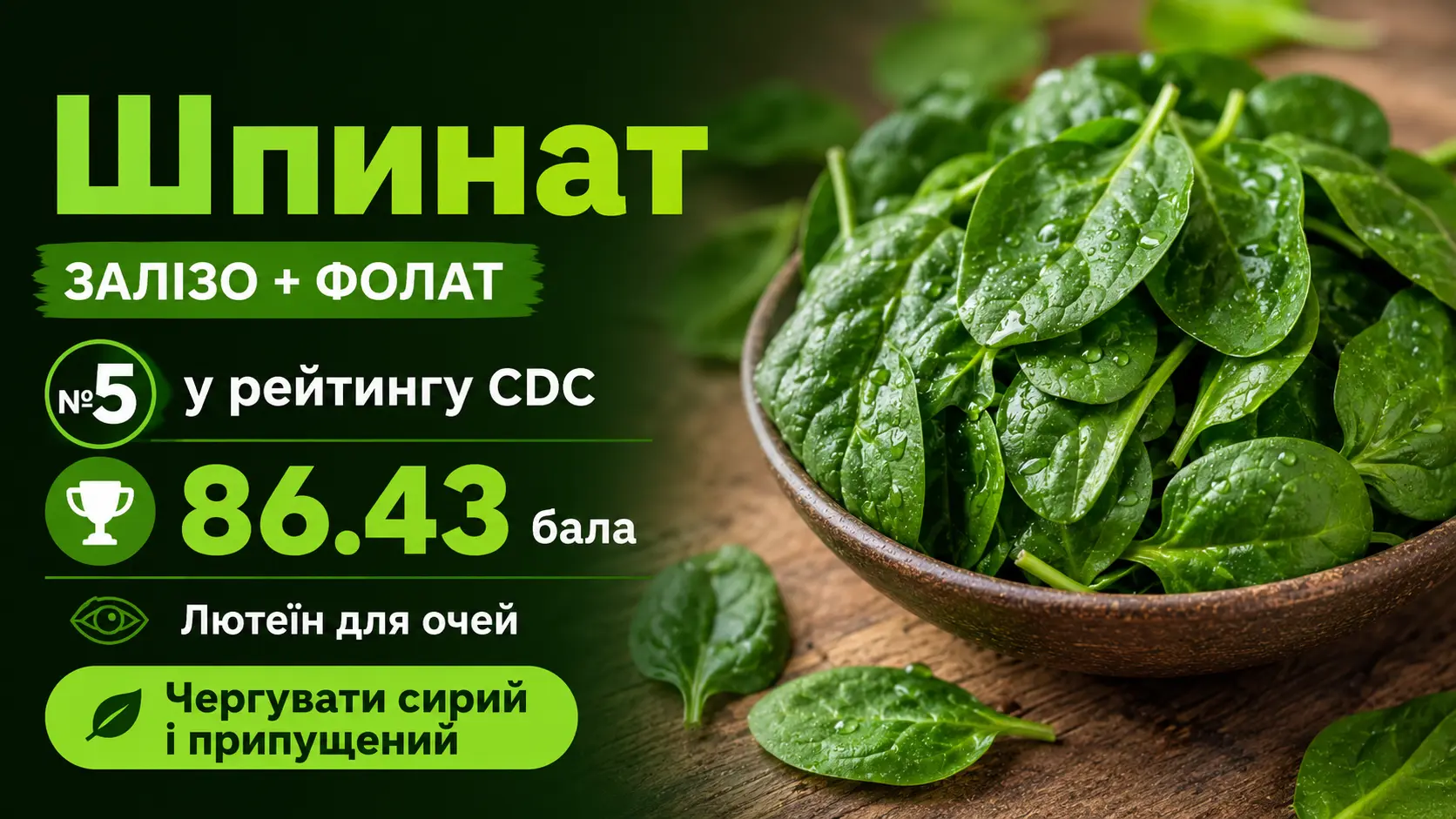
The first vegetable to break the 80-point mark and a well-known champion. Packed with vitamin K, folate, iron, and lutein for the eyes with almost zero calories. But spinach is exactly where most people make mistakes.
How to eat it properly. Here you have to seek a compromise. Raw spinach contains more vitamin C and folate because they are sensitive to heat. However, oxalic acid blocks iron, calcium, and magnesium, while cooking partially destroys it and releases the minerals. That is why scientists advise alternating between raw and lightly cooked spinach and pairing it with something rich in vitamin C so that even plant-based iron is absorbed.
4️⃣ Place 4. Beet Greens, 87.08 Points
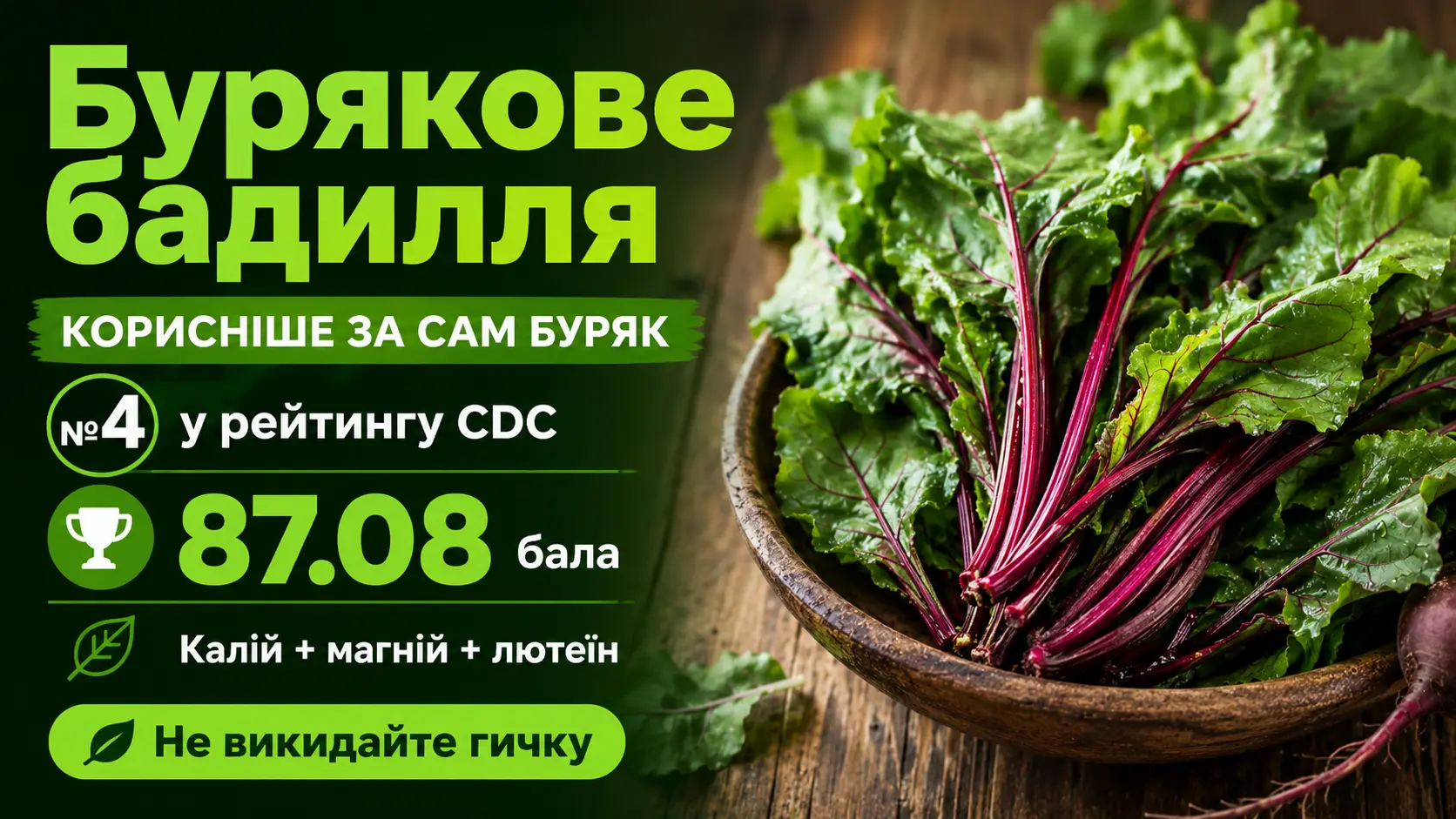
Here is a fact that makes all those wasted years feel unfortunate. Beet leaves are healthier than the root itself. Beet greens are record holders for vitamin K and a generous source of potassium, magnesium, and lutein. Yet most people simply cut them off and throw them away.
How to eat them properly. Do not throw away the tops. Stew or lightly sauté them like spinach for a few minutes. Young leaves are delicious even raw in salads. A drop of oil improves the absorption of vitamins A and K.
3️⃣ Place 3. Swiss Chard, 89.27 Points
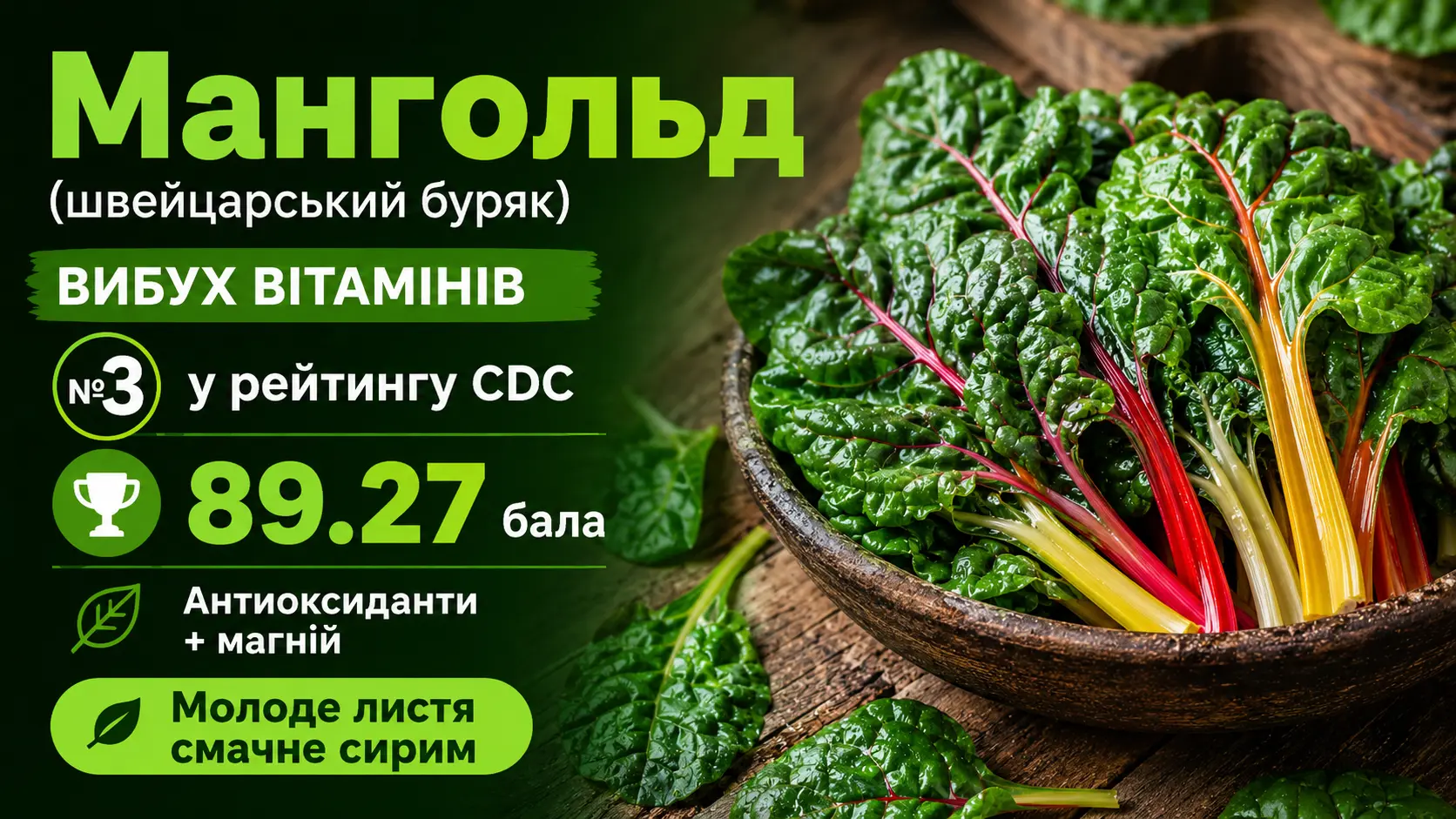
The bronze medalist of the ranking. Swiss chard is a leafy beet with bright stems that nutritionists consider one of the healthiest vegetables overall. A true explosion of vitamins K, A, C, magnesium, and antioxidants.
How to eat it properly. Young leaves are excellent raw in salads, while mature leaves are better lightly steamed because this reduces oxalates and makes minerals more available. The colorful stems should be cooked a little longer than the leaves.
2️⃣ Place 2. Chinese Cabbage, or Bok Choy, 91.99 Points
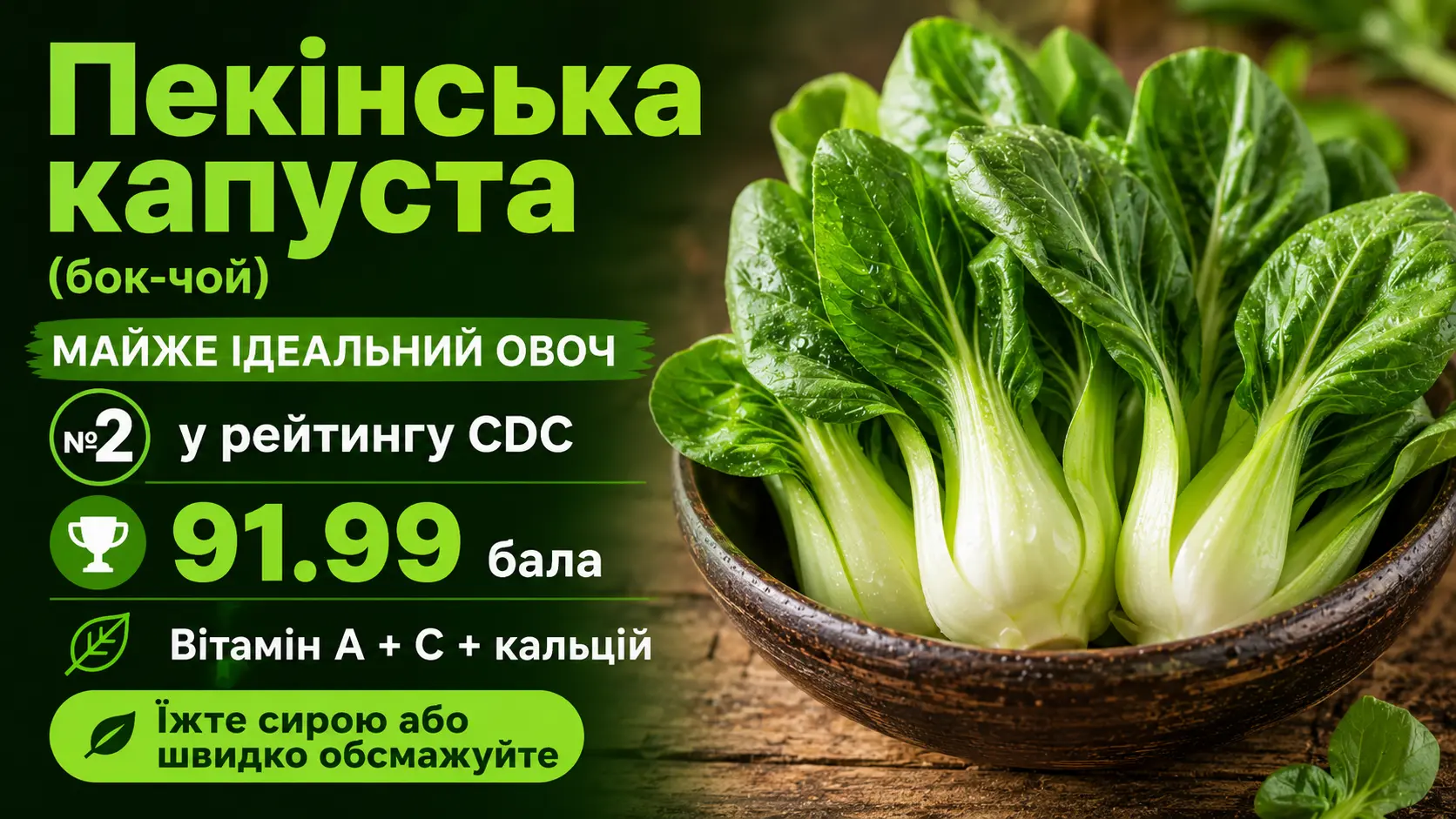
The silver medalist according to the CDC. Chinese cabbage (also called bok choy) provides about 3,500 IU of vitamin A and approximately 50 mg of vitamin C per serving, plus calcium and folate, all with minimal calories. It is literally one step away from the absolute champion.
How to eat it properly. Perfect raw in salads or stir-fried in a wok over high heat for two to three minutes so it stays crunchy. Quick cooking preserves both vitamin C and the protective isothiocyanates found in cruciferous vegetables.
1️⃣ Place 1. Watercress, 100 out of 100 Points
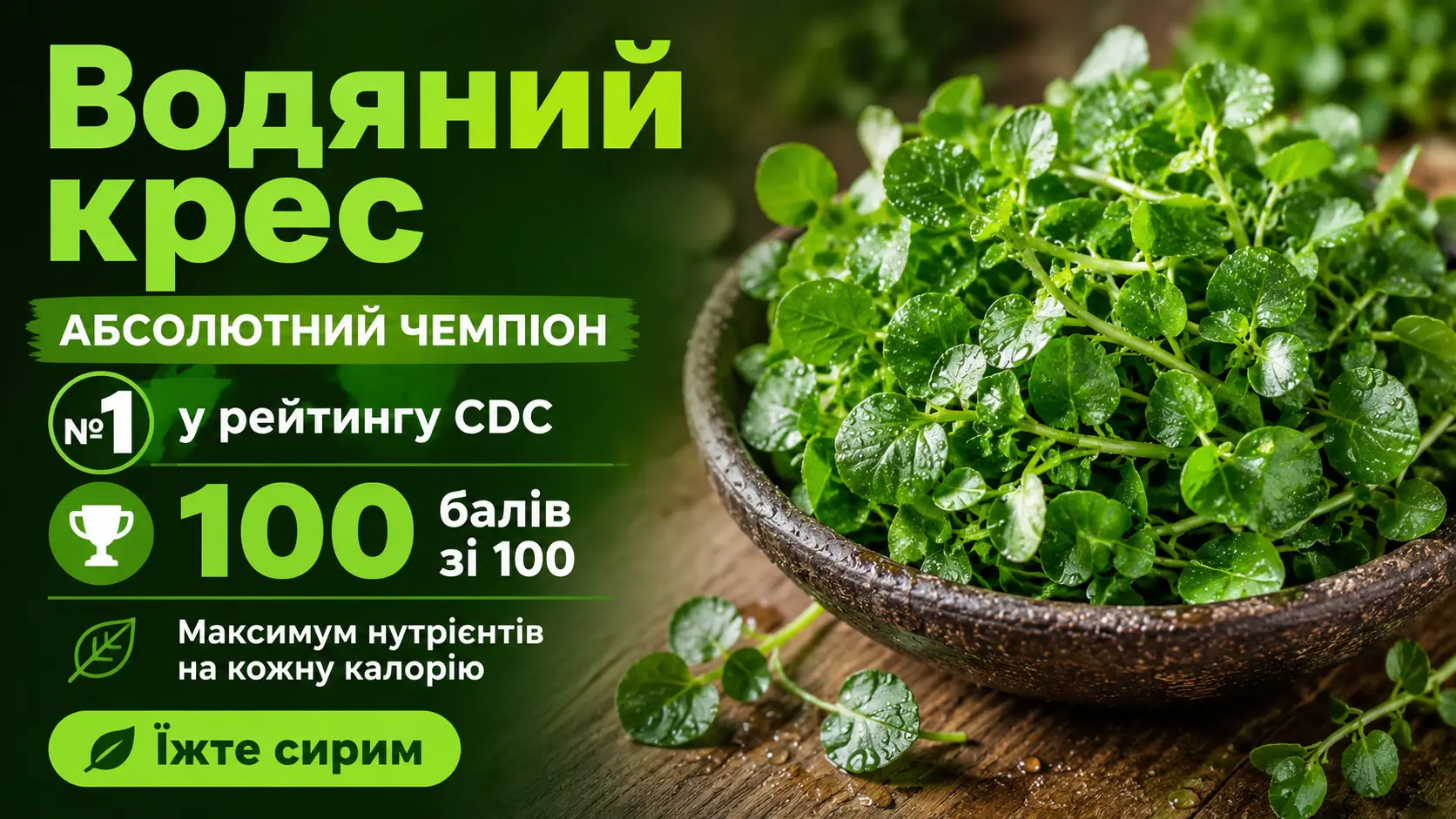
And here it is. The only vegetable on the planet to receive a perfect 100 points in the CDC study, surpassing spinach, cabbage, and every fruit without exception. In simple terms: on average, it provides 100% of the daily requirement of key nutrients per 100 calories. No other product achieved this.
Watercress, also known as garden cress, is a leafy plant from the cruciferous family with a sharp peppery flavor that grows in clean running water. It was eaten as far back as Ancient Greece, Persia, and Rome, and English military surgeon John Woodall once recommended it as a remedy for scurvy because of its record vitamin C content. Besides vitamins K, C, and A, cress provides iodine, calcium, folic acid, omega-3, and the same anti-cancer isothiocyanates found in broccoli.
The worst thing you can do with it is boil it.
How to eat it properly. Almost always raw. Any heating destroys both vitamin C and sensitive protective compounds. Throw a handful into a salad, smoothie, sandwich, or use it as a spicy accent for a finished dish at the very last moment. It is the easiest way to sharply increase the nutritional value of an entire plate with a single ingredient.
What to Do With All This Starting Today
Notice the pattern? The entire top ten consists of dark-green leafy and cruciferous vegetables. They provide the most vitamins and protective compounds per calorie, and they are exactly what most of us are critically lacking in our diets. Meanwhile, ordinary potatoes, cucumbers, and even heavily advertised berries did not make the elite list at all.
But even the winner cannot replace variety. No single vegetable provides everything the body needs. The real strength lies in combining different colors and plant families on one plate.
If there are only three rules to take away from this entire text, let them be these. First: eat leafy greens such as watercress, lettuces, and spinach mostly raw or only lightly cooked. Second: always add a drop of oil so fat-soluble vitamins A, K, and E can be absorbed. Third: do not throw away beet tops because they are healthier than the beet itself. These habits cost nothing, yet the difference in benefits for the body will be noticeable.
Source: Di Noia J. “Defining Powerhouse Fruits and Vegetables: A Nutrient Density Approach,” Preventing Chronic Disease (CDC), 2014: [https://www.cdc.gov/pcd/issues/2014/13_0390.htm](https://www.cdc.gov/pcd/issues/2014/13_0390.htm)